 When I read and loved Kate Thompson’s latest book The O’Hara Affair, I didn’t realise that some of the storyline was closer to home for Kate than you would have thought. Kate has had to care for her own mother-in-law who has dementia, as Dervla has to within the book, and Kate has kindly written us a piece about the experience to share with all of you. Enjoy, and our thanks go to Kate for taking the time to write this for us.
“Recently I saw that the role of carer was up for discussion on a television chat show. Having covered for my mother-in-law’s carer a couple of years ago while she took a three-week break, I was keen to watch and find out how the experience of other people might mirror my own. I hoped that at least one of the three interviewees appearing on the panel might concede that they had found themselves fearful and panicky, suffering from feelings of isolation and persecution, or full of anger and self loathing. For I confess that those three weeks looking after my demented mother-in-law were the most difficult of my life.
I had thought that time spent in her country cottage, miles away from the city centre where we live, would be a good thing. I would bring my laptop, get some work done on the novel I was writing. I calculated that a little light housework, a little cooking, a little time set aside to read the newspaper or help my mother-in-law with the crossword might add up to three or four hours a day.
I couldn’t have been more wrong. While I lived with my mother-in-law, I was at her beck and call twenty-four/seven.
The first inkling that life as a carer might not be as rose-tinted as the cottage in which I was living came when I brought her breakfast in bed on the first morning. Not only did she have no idea who I was, she treated me as though I were a servant. When the cereal I served was not to her satisfaction, she threw the spoon at me. When I suggested she might like a wash, she took it as a personal affront. She never said please, she never said thank-you. It was like living with a stranger – an autocratic, unpleasant one at that.
I became fearful – locking my bedroom door at night because she wandered and I found it unsettling. I would lie there, listening to her moving around, on tenterhooks that she might fall, yet powerless to make her stay in bed. I discovered that the easiest way to survive was – like Epictetus – to adopt the course of least resistance and embrace my slave-like status. However, when she had an accident one night and I was obliged to change not only her bed linen, but her mattress, there was a clash of Titans. It took every determined ounce of my persuasive powers to get her into the bath she insisted she did not need.
During my three weeks as Dobby the House Elf I got no work done on my novel. I lost weight, my self esteem plummeted, I felt as though I were living in a mad house – which, in effect, I was. The woman for whom I had once harboured only feelings of love, admiration and respect, became a dementor. Sometimes I found myself hating her.
But the people on the television show I watched were saint-like in their devotion to their charges. They bore no ill-will or resentment; they harboured no feelings of hatred or anger; they spoke only of the compassion they felt, and their willingness to sacrifice all for their loved one. They made me feel worse than inadequate: they made me feel like a failure.
I did my best. I fed my mother-in-law nutritious meals; I kept her warm and clean; I made sure she was entertained, whether by going through old photograph albums or settling her down in front of a favourite DVD. But – mea culpa - I could not love her. And that, to my mind, was the most grievous failure of all.”



 I quite enjoyed Robyn Sisman’s last release A Hollywood Ending so when I saw Robyn had a new book due out, I was quite interested. The Perfect Couple? was originally due out last year before being delayed until summer 2010 before being delayed again until 2nd September 2010 when it will (probably) come out! I’m not mad keen on the cover but I like the sound of the book:
 Posted in 2010 releases, Book News | 1 Comment »
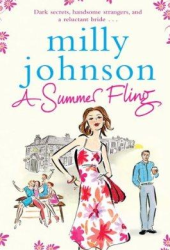 The lovely Milly Johnson has arranged a fantastic competition for us at Chicklitreviews.com - the chance for you to win a copy of her new fabulous book A Summer Fling, and a special little keyring too! Milly has had the keyrings specially made for the launch of A Summer Fling and they feature the book cover and a little message from Milly too, so it really is a prize to treasure. We have 3 keyrings and books to giveaway so here’s what you have to do to be in with a chance to win.
 Chick Flick Tuesday highlights the best chick flicks in the movie world as well as bringing you news on upcoming chick flick releases as well as letting you all know about which chick lit books are being made into chick flick movies!
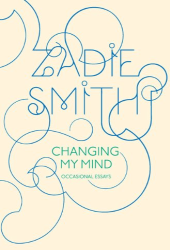
 I was just browsing on Amazon, minding my own business when the cover for Zadie Smith’s book Changing My Mind caught my eye. I thought it looked incredibly familiar and I soon realised where I’d seen it before - barring the colours, it looks identical to Adele Park’s new cover design for Men I’ve Loved Before. Similar, no? I would assume they were both designed by the same person, otherwise it’s one heck of a coincidence!